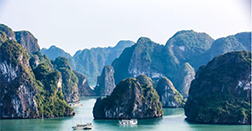
Tạp chí du lịch Mỹ Fodor’s Travel đã bất ngờ xếp vịnh Hạ Long – kỳ quan thiên nhiên thế giới nổi tiếng của Việt Nam được UNESCO công nhận – vào danh sách “No list 2024”.
Theo báo điện tử Nhà báo & Công luận dẫn công bố của Fodor’s Travel cho biết, nguyên nhân khiến vịnh Hạ Long lọt vào danh sách “No list 2024” chính là vì vấn đề rác thải.
Bên cạnh việc công bố danh sách các điểm đến nên ghé thăm “Go list”, tạp chí du lịch nổi tiếng của Mỹ Fodor’s Travel cũng vừa công bố top “No list” với 9 điểm đến cần cân nhắc khi tới năm 2024.
Thật bất ngờ, Vịnh Hạ Long của Việt Nam lại lọt vào danh sách này của Fodor’s Travel.
Thực tế, cần phải hiểu rằng, danh sách “No list” của Fodor’s Travel không nhằm “hạ bệ hay chê bai” các điểm đến mà thể hiện sự trân trọng và muốn bảo vệ các điểm đến nổi tiếng này.
Được công nhận là Di sản Thế giới của UNESCO năm 1994, vịnh Hạ Long thuộc tỉnh Quảng Ninh nổi tiếng với khoảng 1.600 hòn lớn nhỏ, cách Hà Nội 3 giờ di chuyển. Tình trạng quá tải du lịch và ô nhiễm biển được đánh giá gây áp lực lên hệ sinh thái vịnh trong nhiều thập kỷ.
“No list 2024″ xét trên 3 tiêu chí chính gây ảnh hưởng đến du lịch gồm vấn đề quá tải khách, tạo rác thải, chất lượng và nguồn nước, những điều gây hại cho điểm đến và ảnh hưởng đến cuộc sống của người dân địa phương.
Theo Fodor’s Travel, vịnh Hạ Long của Việt Nam được nhắc đến ở tiêu chí “tạo rác thải”.
Ngoài vịnh Hạ Long, 2 điểm đến khác cũng nằm ở hạng mục liên quan đến vấn đề rác thải là San Gabriel Mountains National Monument, California (Mỹ) và sa mạc Atacama (Chile). 6 cái tên còn lại trong No list 2024 gồm: Venice (Italy), Athens (Hy Lạp), Koh Samui (Thái Lan), sông Hằng (Ấn Độ) và hồ Superior (Bắc Mỹ).
Theo Nhà báo và Công luận dẫn lại tạp chí Mỹ, trong các chuyến du ngoạn trên vịnh, du khách thường xuyên nhìn thấy chai nước, túi nhựa, cốc xốp và rác thải liên quan đến hoạt động đánh cá trôi nổi trên mặt nước cùng với những vệt dầu diesel từ việc chèo thuyền của khách du lịch.
Bên cạnh đó, còn có rác thải từ các khu dân cư và cộng đồng ngư dân dọc các bãi biển.
Dẫn chứng một nghiên cứu năm 2020 ước tính có hơn 28.000 tấn rác thải nhựa được tạo ra hàng năm ở vịnh Hạ Long, trong đó gần 5.300 tấn thải ra biển, tương đương 34 tấn rác thải được tạo ra hàng ngày từ các hoạt động du lịch, Fodor’s Travel lưu ý, vấn đề rác thải không chỉ ảnh hưởng đến trải nghiệm du lịch mà còn đến hệ sinh thái của vịnh.
Vịnh Hạ Long từng có 234 loại rạn san hô nhưng chỉ còn lại một nửa. Thêm vào đó, tình trạng quá tải du lịch và ô nhiễm biển được đánh giá gây áp lực lên hệ sinh thái vịnh trong nhiều thập kỷ.
Số lượng khách đến vịnh năm 2022 là hơn 7 triệu và dự kiến đạt khoảng 8,5 triệu vào năm 2023, theo số liệu thống kê từ Fodor’s Travel.
Fodor’s Travel chia sẻ hạn chế du lịch sẽ ảnh hưởng đến cuộc sống của nhiều người trong thời gian ngắn. Nhưng nếu không bảo vệ vịnh Hạ Long có thể gây ra hậu quả lâu dài.
Vịnh Hạ Long thuộc tỉnh Quảng Ninh nổi tiếng với khoảng 1.600 hòn lớn nhỏ, cách Hà Nội 3 giờ di chuyển.
Vịnh Hạ Long được công nhận là Di sản Thế giới của UNESCO năm 1994 và là điểm đến du lịch hàng đầu của Việt Nam. Tuy nhiên, tình trạng quá tải du lịch và ô nhiễm biển được đánh giá gây áp lực lên hệ sinh thái vịnh trong nhiều thập kỷ qua.
Chính quyền Quảng Ninh đã cố gắng đầu tư rất nhiều và nỗ lực để bảo tồn, phát triển, khai thác bền vững các giá trị của vịnh Hạ Long, tiến tới một vịnh Hạ Long không rác thải.
(Nguồn : sputniknews.vn)
Nine regions to reconsider in 2024.
…..
Ha Long Bay, Vietnam
Key takeaway: Management of Ha Long Bay’s tourist boating activities along with growing fishing communities are contributing to refuse and diesel in the water, and attempts to curb pollution are easily circumvented and only half-heartedly enforced.
Designated as a UNESCO World Heritage Site in 1994, Vietnam’s popular tourist destination of Ha Long Bay, in the Gulf of Tonkin in Quảng Ninh province, attracts millions of travelers. This breathtaking seascape, comprising 1,600 islands and islets of towering limestone karsts cloaked in rainforests rising from the emerald sea waters, is a quick, three-hour bus ride from Hanoi. However, overtourism and marine pollution have been putting pressure on the ecosystem for decades. The number of visitors to Ha Long Bay in 2022 was more than seven million and is expected to be around eight and a half million in 2023.

On bay cruises, it’s not uncommon for visitors to see water bottles, plastic bags, Styrofoam cups, and fishing-related refuse floating in the water along with rainbow-colored streaks of oil and grease from tourist boating activities. Junk from residential areas and fishing communities lines parts of the beaches.
“The trash is certainly an issue and will be a part of your experience the entire time,” says digital nomad Johnny Chen of Johnny Africa, who spent a month in Vietnam in 2023 and wrote about the problems with visiting Ha Long Bay. “There would be patches of trash that were sizable and disgusting, and other areas where there were a few stray pieces of trash. The pictures of Ha Long Bay are incredible from above, it may tell a different story on the surface,” he says about his three-day cruise experience in April.
Despite a ban on single-use plastic on boats since 2019, Chen was offered small water bottles onboard. Other travelers had similar experiences as evidenced by TripAdvisor reviews that called the bay dirty, polluted with Styrofoam litter, and crowded with a “greasy layer of ‘scum’ that floats by in waves.”
“The problem in the bay right now is that there’s too many people there and they don’t have an effective waste management treatment solution,” says David, who studied marine pollution in the bay and has been living in Hanoi for more than five years. He has requested anonymity fearing reprisals (David is not his real name). “All the plastic is going straight into the water, and they have far too many people going on huge cruise liners.”
In Vietnam, by law, three-star hotels and cruises must provide two water bottles per person, per room. David says the authorities don’t have the infrastructure to deal with all the plastic waste.

A 2020 baseline study estimated that 28,283 tons of plastic waste is generated annually in Ha Long Bay, with 5,272 tons ending up in the sea. A whopping 34 tons of total waste is produced daily by tourist activities, affecting not just the tourist experience, but also the fragile ecosystem. There were once 234 types of coral reefs in the bay, but only half of them remain.
Another problem exacerbating the trash issue, David says, is the growing fishing communities around the bay. The polystyrene-based floating pods that are used crumble over time and produce a powder that washes up on the beach. These microplastics are now found in fish species, creating a threat to food safety. Ha Long Bay also has 20,600 hectares of farming ponds. A recent government mandate required fish farms to replace Styrofoam buoys with sustainable alternatives; many of the discarded Styrofoam buoys were then dumped into the bay. According to the Ha Long Bay Management Board, around 10,000 cubic meters of trash (including Styrofoam buoys) have been collected since March. The Board claims trash is being collected daily.

Another issue visitors face is the sheer volume of boats in Ha Long Bay. Phil Sharman, who runs The Hungry Travellers blog and was in Vietnam earlier this year, says, “Every cruise boat from the mainland aims for the same central area, so it’s like ‘ship city’ for the time you are there.”
Chen had a similar experience. “I could easily count 30 other boats around me, and the magical views of the Ha Long Bay limestone peaks were accompanied by hordes of cruise boats, including one party boat that had music blasting until 11 p.m.”
The quantity of ships contributes to the pollution. While some cruise companies operate well-designed and well-maintained boats, others are running on diesel that is leaking into the bay. A 62-year-old woman from Ireland, who asked not to be named, had a trip to remember in October after a swim in the bay left her covered in an orange film. “The scenery was beautiful, but I found it strange that they were hosing all of us down and offering brown colored towels back on the boat,” she shares. Others assumed it was a false tan coming off, but she realized it was diesel from the cruise ship. “The water didn’t feel like normal sea water; it was very calm, very silky and smooth on my skin, and there was no fish. There was no sign of life.”
Meanwhile, the rapid growth of Ha Long City, with an amusement park, luxury hotels, a cable car, and new residential areas, is putting added pressure on the ecosystem; the city only has the capacity to handle 40% percent of its wastewater.
Ha Long Bay needs a sustained effort by the government and tour operators to take appropriate actions to prioritize protecting the natural wonder. According to a blog post by the International Union for the Conservation of Nature, it may be “necessary to reduce visitor numbers based on an objective assessment of the site’s carrying capacity.”
While restricting tourism would affect the lives of many people with no alternatives for income in the short term, not protecting the very thing that draws people could have long-term consequences. One way to ensure economic benefit while protecting the bay is by implementing a tourist tax and investing the income directly into cleanup, says David. Installing water fountains on boats and ensuring that the boats are compliant with environmental regulations could also help.
“This is a UNESCO World Heritage Site, and that very status puts a responsibility on nations to protect them. They should not be changed or allowed to deteriorate,” says Sharman.
(Sources : fodors.com)
 thân tri
Thảo luận
Không có bình luận